
The Anxious Generation: How the Great Rewiring of Childhood Is Causing an Epidemic of Mental Illness
by Jonathan Haidt
4.3Social psychologist Jonathan Haidt asks why teenagers' mental health deteriorated so suddenly in the early 2010s. He argues that the decline of free play and the rise of smartphones and social media 'rewired' childhood between 2010 and 2015, and he sets out practical steps for parents, schools, governments and teens themselves.
Why Dad Recommends It
If you've ever wondered when to give your child a phone, this is the book to read before you decide. Jonathan Haidt pulls together a lot of research to argue that two things changed childhood at the same time: children got far less free play and independence in the real world, while smartphones and social media took over their time online. What I find most useful is that it isn't just doom and gloom. He proposes four simple norms that families can adopt together: no smartphones before secondary school (around age 14 in his proposal), no social media before 16, phone-free schools, and far more independence and free play. It was chosen by Barack Obama as one of his favourite books of 2024, and The Economist noted that it deals seriously with counter-arguments and gaps in the evidence. That matters, because the debate around it is lively.
What Children Can Learn
When families take this book's advice, children get more time for unstructured play, more chances to do things on their own, and more face-to-face time with friends and family. Haidt argues these are the experiences children need most to grow into strong, independent adults.
What Parents Can Take From It
The big message is that it's much easier to act together than alone. If several families in a class agree to hold off on smartphones and social media, no child is left out. It also challenges parents to look at the other side of the problem: giving children more freedom offline, like walking to school, playing out with friends or running small errands. Even with younger children, it's a good prompt to agree family rules about screens now, rather than when a phone is already in their hand.
Discussion Questions For The Family
- 1What did you love doing outside without grown-ups when you were a child, and how could our kids do more of that?
- 2At what age do we think a first phone makes sense, and what kind of phone should it be?
- 3What screen rules could we all agree on as a family, including the grown-ups?
Disclaimer: Book recommendations reflect The Dad Gram's personal opinions. Availability, pricing, and retailer information may change, so please check the publisher or retailer for current details.
Similar Books
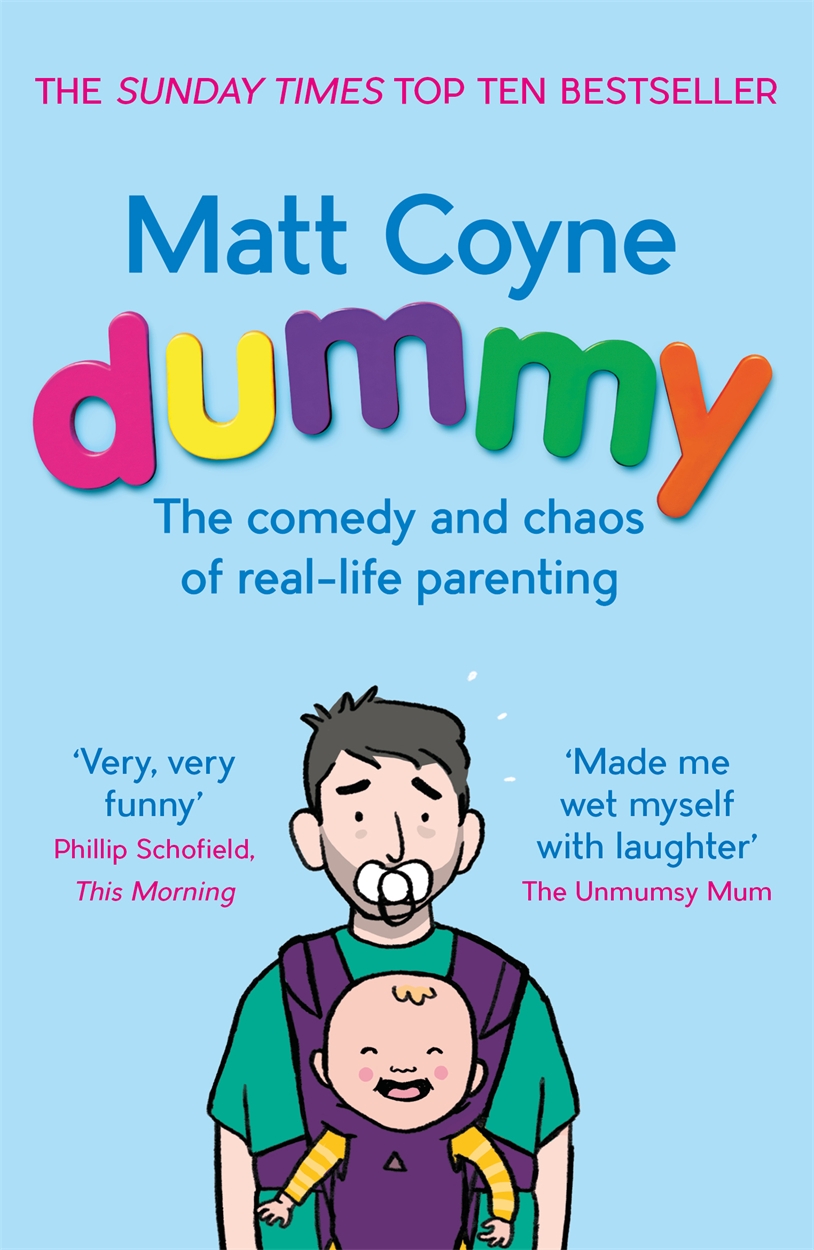
Dummy: The Comedy and Chaos of Real-Life Parenting
Matt Coyne
Matt Coyne's honest Facebook post about life three months after his son Charlie was born went viral, became the Man vs Baby blog, and then became this Sunday Times Top 10 bestseller. Dummy is a laugh-out-loud account of becoming a dad, from 'Profanity Bingo' in labour to a categorisation of nappy disasters.
Read Recommendation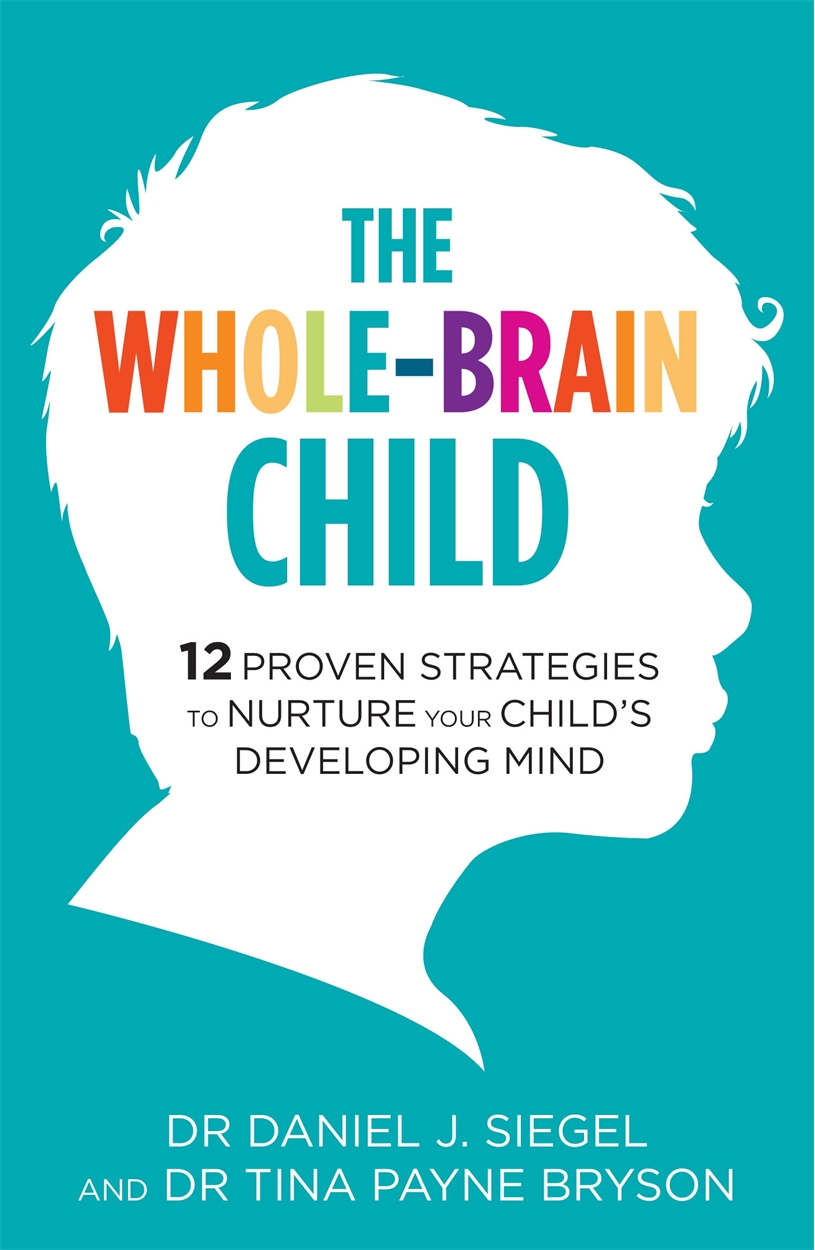
The Whole-Brain Child: 12 Proven Strategies to Nurture Your Child's Developing Mind
Daniel J. Siegel and Tina Payne Bryson
Neuropsychiatrist Daniel J. Siegel and parenting expert Tina Payne Bryson explain how a child's brain is wired and how it develops, and why that makes tantrums, meltdowns and big fears so normal. They then give parents 12 practical strategies to turn those difficult moments into chances to help their child's brain grow.
Read Recommendation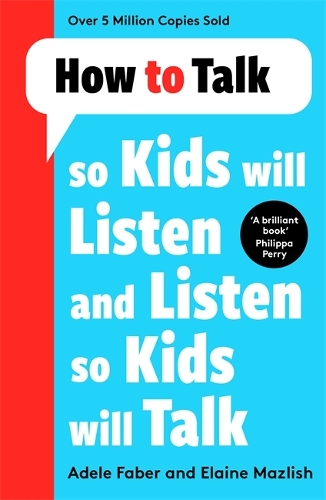
How to Talk So Kids Will Listen & Listen So Kids Will Talk
Adele Faber and Elaine Mazlish
First published in 1980 and now a multi-million-copy bestseller, this is the classic, practical guide to everyday communication with children. Chapter by chapter, it covers helping children deal with their feelings, getting them to co-operate, alternatives to punishment, encouraging independence, praise, and freeing children from the labels and roles we give them.
Read Recommendation
The Book You Wish Your Parents Had Read (and Your Children Will Be Glad That You Did)
Philippa Perry
Psychotherapist Philippa Perry skips the quick fixes and the perfect plans, and looks instead at what really matters in the relationship between a parent and a child. It's about understanding how your own upbringing shapes the way you parent, handling feelings (theirs and yours), and what to do when you inevitably get things wrong.
Read Recommendation