Farage, the Racism Row and Our Children: How to Raise Kind, Empathetic Kids
Zeeshan Khurram 6 October 2026 5 min read

As a dad of three, I think a lot about what children soak up without us noticing: the radio in the car, a headline over our shoulder. Lately, much of that is about race, immigration and who "belongs" here.
This isn't a post about telling anyone how to vote. It's about something every parent, whatever their politics, can agree on: we want our children to grow up kind, confident and able to see the person in front of them, not a label.
Why I'm writing this now
One of the loudest stories of the past year has been about Nigel Farage, the Reform UK leader. Since November 2025, The Guardian has reported claims from former pupils at Dulwich College that he made racist and antisemitic remarks as a teenager in the late 1970s and early 1980s. By January 2026, the paper said 34 school contemporaries had come forward.
Farage has denied the claims. A barrister acting for Reform UK called them "wholly untrue", and a party spokesperson said they were "entirely without foundation". In a broadcast interview in November 2025 he said he had "never directly, really tried to go and hurt anybody", and in January 2026 he described the allegations as "complete made-up fantasies". In February 2026, speaking to Laura Kuenssberg for the BBC documentary Reform: Ready to Rule?, he said that if people "genuinely were" hurt, "then that's a pity and I'm sorry, but never, ever did I intend to hurt anybody". One former pupil who made allegations, Peter Ettedgui, told the BBC this was a "nonpology".
Race and immigration rhetoric around Farage has been debated before. In June 2016, during the EU referendum campaign, UKIP's "Breaking Point" poster, which showed a long queue of migrants and refugees, was condemned by politicians on both sides of the debate, and The Guardian reported that a union leader had reported it to the police. As the BBC reported, Farage defended it as "the truth" and said it was about the EU not working.
I'm not here to judge what happened in a classroom nearly 50 years ago. But stories like these reach our children, and that's where we come in.
Why this matters for our kids
Childline puts it simply: you can be affected by racism "even when it's not aimed at you". Children hear the tone of a debate long before they understand its details.
The numbers matter too. Home Office figures published in October 2025 show police in England and Wales recorded 137,550 hate crimes in the year to March 2025, and race hate crimes made up the majority. The Home Office also noted that August 2024, after the Southport murders and the disorder that followed, saw the highest monthly number of racially or religiously aggravated offences ever recorded. Updated figures are due on 8 October 2026.
Building empathy at home
Empathy isn't a lecture. It's a habit, and it grows in small moments.
- Name feelings. When a character in a book or film is left out, pause and ask, "How do you think they felt?"
- Swap places. Ask, "What would you want someone to do if that happened to you?"
- Widen their world. Share stories, food and festivals from cultures other than your own.
- Model it. Children copy what we do far more than what we say. How we talk about neighbours, colleagues and people on the news is the lesson.
- Praise kindness. Notice it out loud when your child includes someone or stands up for a friend.
Talking about difference
Children notice difference, and that's healthy. Our job isn't to pretend we're all the same. It's to show that difference is interesting, not threatening.
If your child asks why someone looks, speaks or prays differently, answer honestly and calmly. Try: "People come from lots of different places and families, and that's part of what makes our country and our school special."
When the news comes up, keep it age-appropriate. With younger children, focus on fairness and kindness. With older ones, talk about how words can hurt, why politicians and journalists disagree, and how to check facts before believing a headline.
If your child hears or experiences racism
First, stay calm and listen. Tell them it's not their fault and that you're glad they told you. Then follow Childline's practical advice:
- Walk away and stay safe. Don't retaliate.
- Tell a trusted adult, such as a teacher or sports coach, and keep telling if nothing changes. Every school should have an anti-bullying policy, and you can go to the head teacher.
- Keep a record of messages, videos or what was said.
- Report and block abuse online.
- Don't go along with racist "jokes". Childline says they are a form of abuse.
Support in the UK:
- Childline: children can call free on 0800 1111 or chat online at childline.org.uk.
- NSPCC Helpline: adults worried about a child can call 0808 800 5000.
- Police: call 999 in an emergency or 101 otherwise. You can also report hate crime online through True Vision at report-it.org.uk.
- Show Racism the Red Card: this anti-racism educational charity offers resources and workshops for schools. Its Wear Red Day is on Friday 16 October 2026, a lovely way for families to show support.
Living together, not just side by side
Millions of children across the UK carry more than one story: roots in other countries, cultures and faiths. They are British, and they belong completely.
Britain has always been made by people from different backgrounds living, working and raising families together. When we teach our children empathy, we aren't taking a side in a political argument. We're giving them the tools to build a country where everyone can feel at home.
So tonight, ask your child one question: "Who did you help feel included today?" Their answer might surprise you.
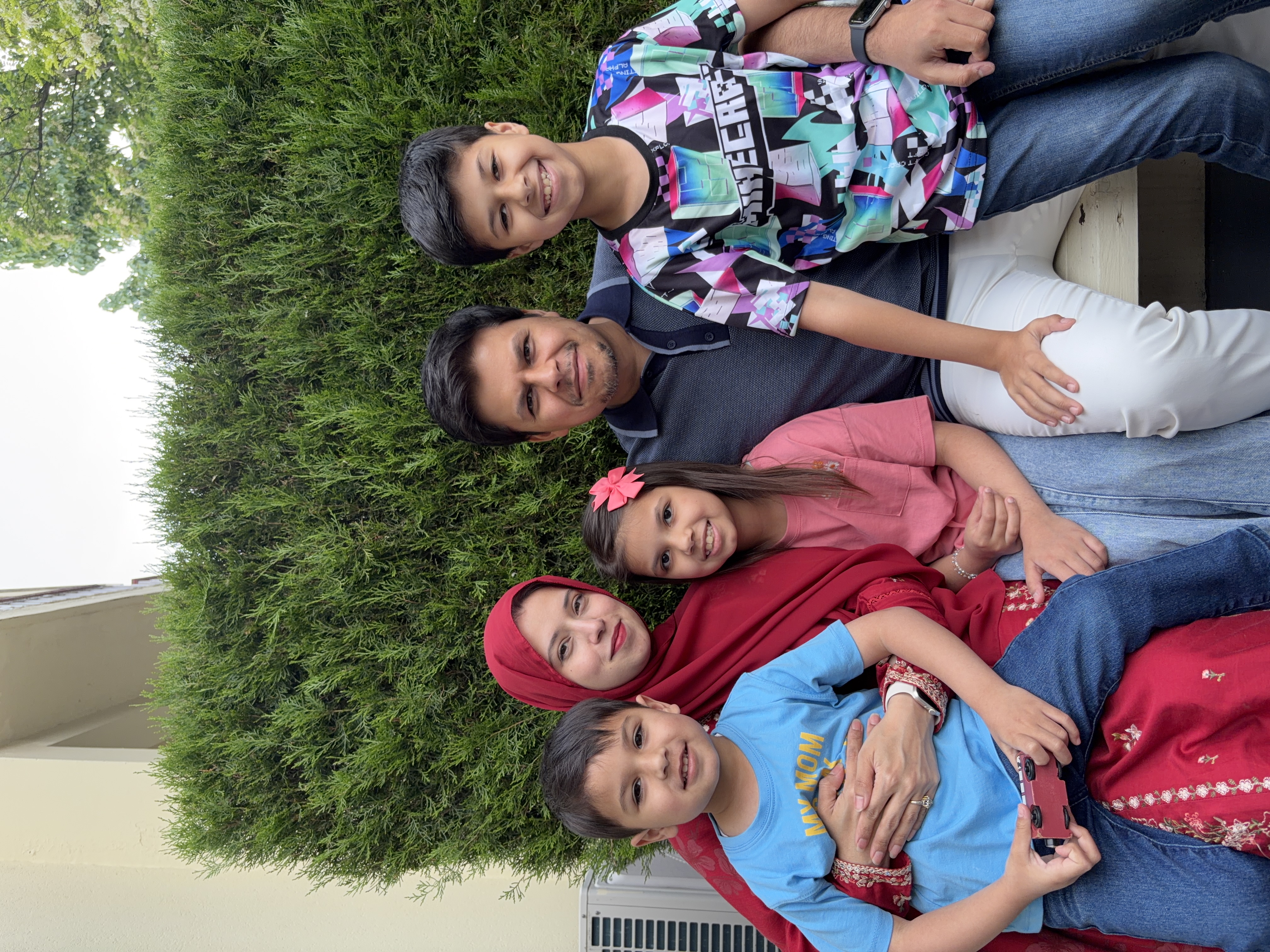
Zeeshan Khurram
Founder, THE DAD GRAM — dad of three, sharing real family life since 2018.
Related Stories

World Mental Health Day: Simple Ways to Help Our Kids Talk About Feelings
Saturday 10 October is World Mental Health Day. Here are gentle, everyday ways to help children name their feelings, open up and know they can always come to us.
Read More
Building Zaira’s Enchanted Flower Garden Nursery
Eight years ago, we set out to create a magical space for our daughter. Take a look back at how we built Zaira's enchanted flower garden nursery, featuring handmade details and a custom carved gold crown.
Read More
Screen Time Without the Guilt: Our House Rules
Screens aren't the enemy — unclear rules are. Here's the simple system that ended the daily negotiation in our house.
Read More